Welcome to the Baseball Innovation Museum
The first digital museum dedicated entirely to the innovative devices and mthods that transformed baseball throughout history. Unlike traditional baseball museums, we highlight the technologies, methods, and innovations that transformed how the game is played

Our Focus
One Game. Countless Innovations.
From lemon-peel baseballs to radar guns, from fingerless gloves to composite bats — the devices of baseball tell a story of constant change.
We preserve that story here.

Featured Devices
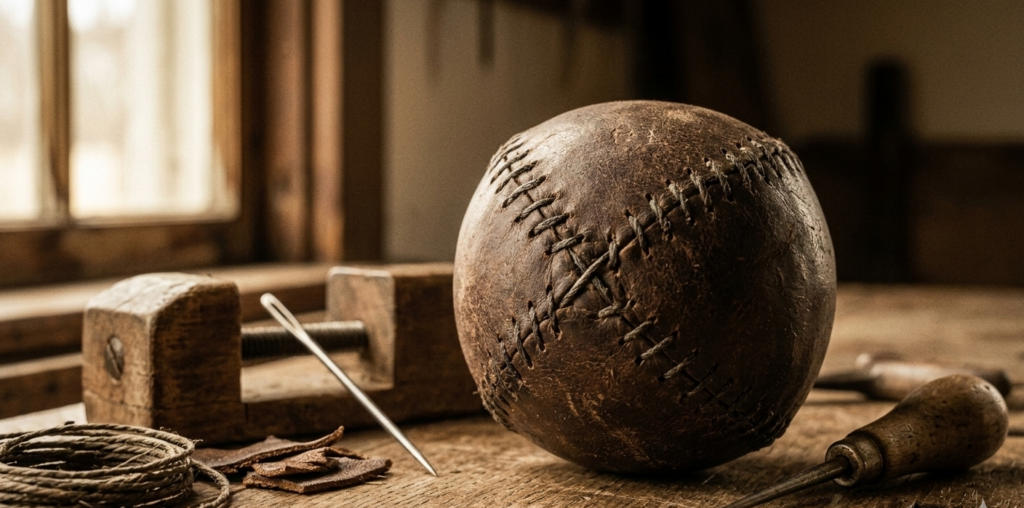
The Lemon-Peel Ball (1850s)
The earliest baseballs were hand-stitched in a distinctive lemon-peel pattern. Rough, bouncy, and unpredictable — just like the game itself.
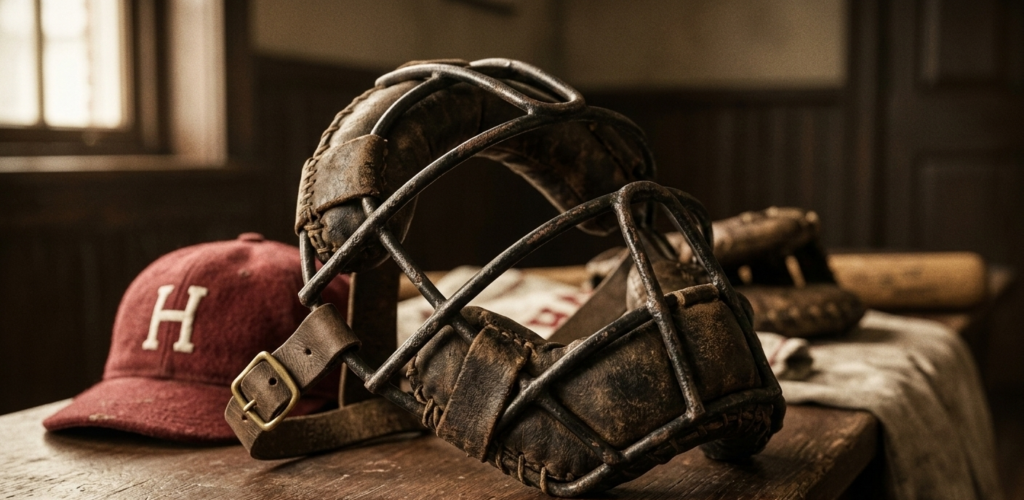
The First Catcher’s Mask (1876)
Fred Thayer invented the first protective mask for Harvard catcher James Tyng. Baseball would never be the same.
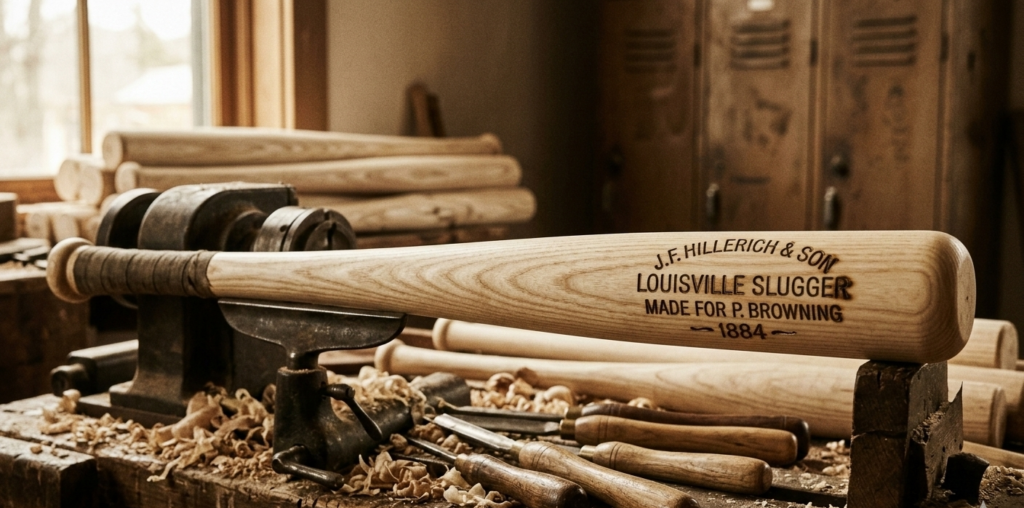
The Louisville Slugger (1884)
Bud Hillerich turned a bat for Pete Browning, and the most famous name in baseball equipment was born.
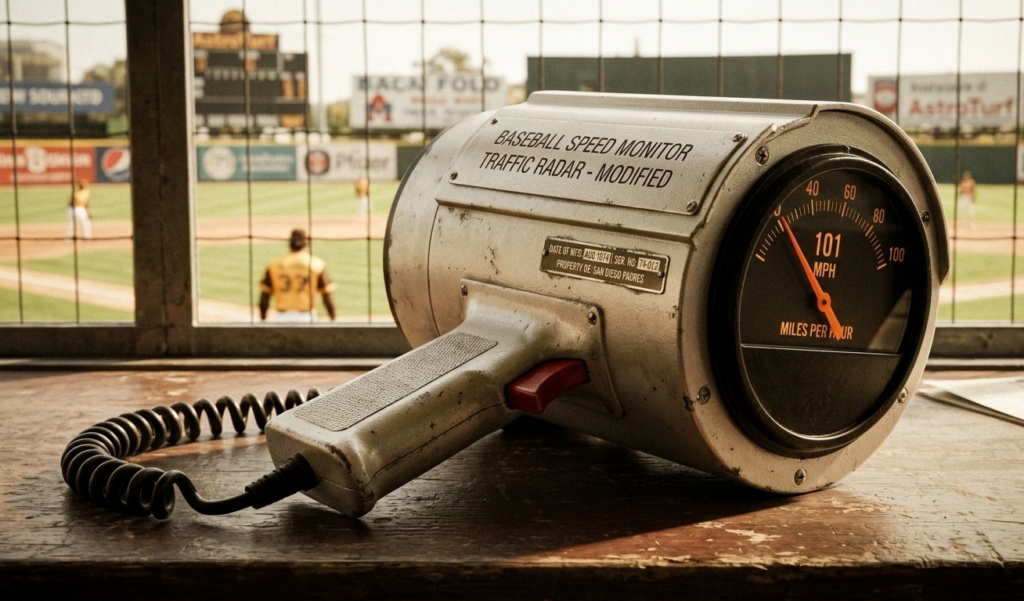
The Radar Gun (1974)
Developed by a former police officer, the radar gun brought rocket science to the baseball diamond.
Why Devices Matter
Every innovation on the field started as a device in someone’s hands. A better bat meant more hits. A better glove meant fewer errors. A better helmet meant longer careers.
We honor the inventors, tinkerers, and makers who moved the game forward — one device at a time.
From a Player-Innovator
“About 1912 I invented an electric scoreboard. It showed the field with lights for the players in position, and running lights around the bases for the base runners. I received my patent in 1913. My board was operated in Convention Hall and at the Kansas City Star to great success until Radio came in.”
— Nichols, Hall of Fame Pitcher
On his patented electric scoreboard innovation (U.S. Patent No. 1,071,079, filed by Charles A. Nichols, 1913.)
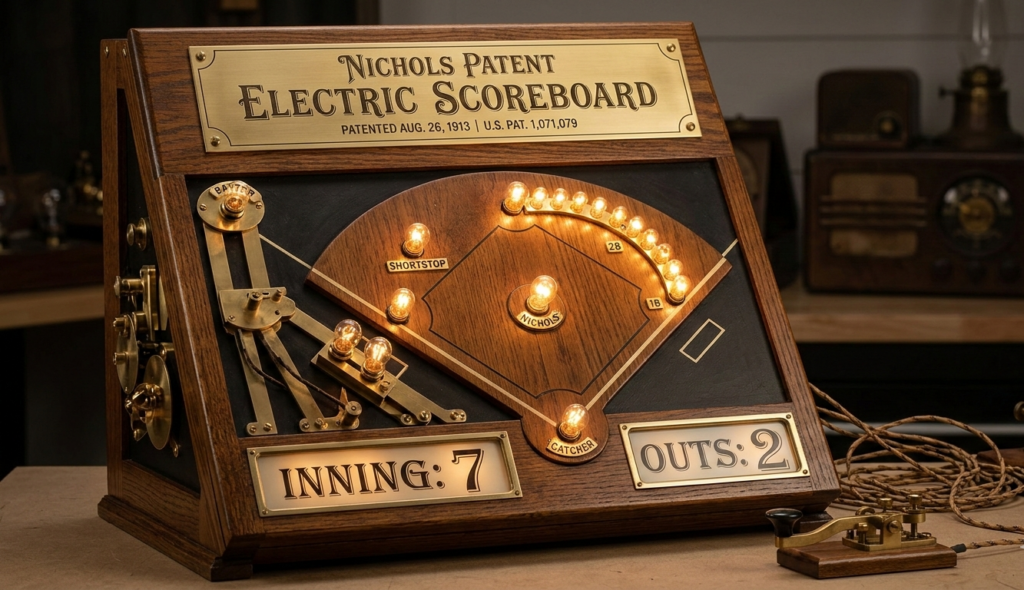
Conceptual illustration of Nichols’ 1913 scoreboard
This website is an independent digital museum. All product names, trademarks, and brands are the property of their respective owners and are used for identification and educational purposes only. No affiliation or endorsement is implied.